Camouflage pigments: colour balance that lasts
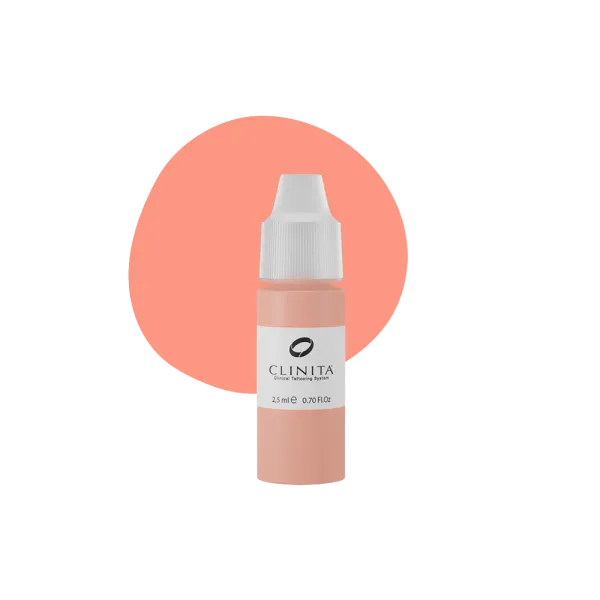
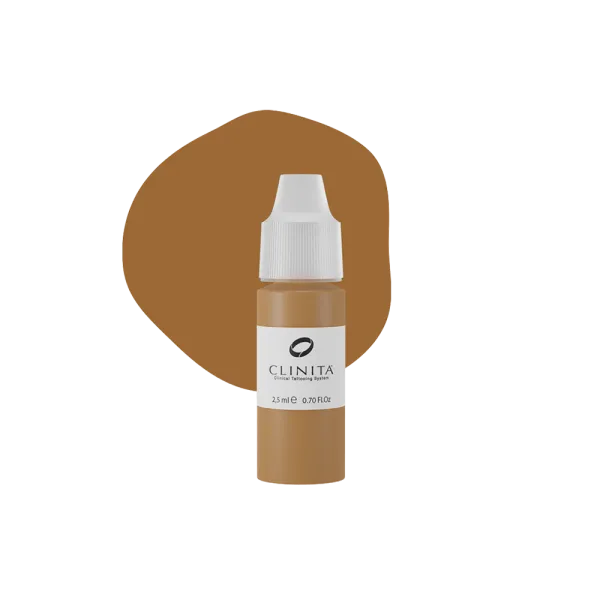
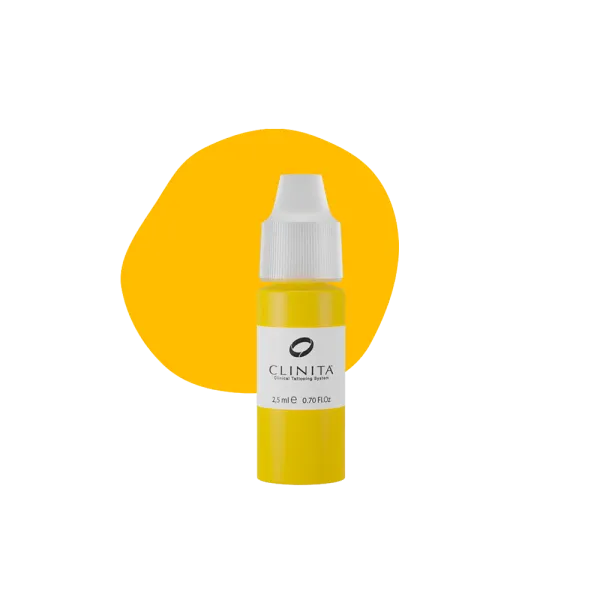
Clinita offers pigments for permanent makeup made from a calibrated blend of organic and inorganic pigments. Flagship shades like Alabaster Pro and Cumin Pro are designed to counteract violet, grey, or orange tones. Their semi-opaque consistency ensures seamless blending with the surrounding skin, offering natural and durable coverage.
Corrective pigments for permanent makeup procedures
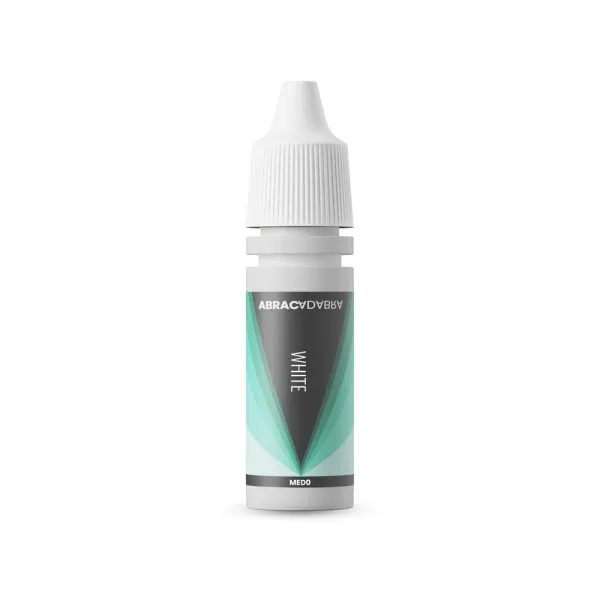
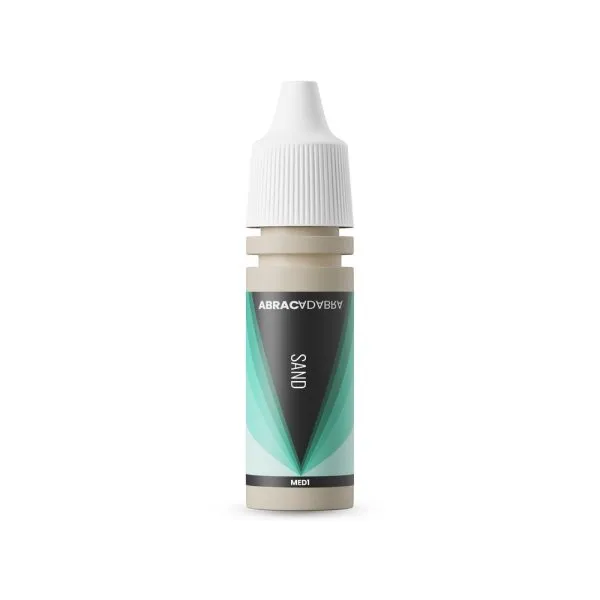
Our high-performance range includes corrective pigments for PMU such as white, yellow, beige, and orange tones. These shades are formulated to integrate with existing pigment layers, allowing for effective colour correction of faded eyebrows and lip PMU. They are also suitable for neutralisation before redefinition.
Pigments for scar camouflage and colour correction
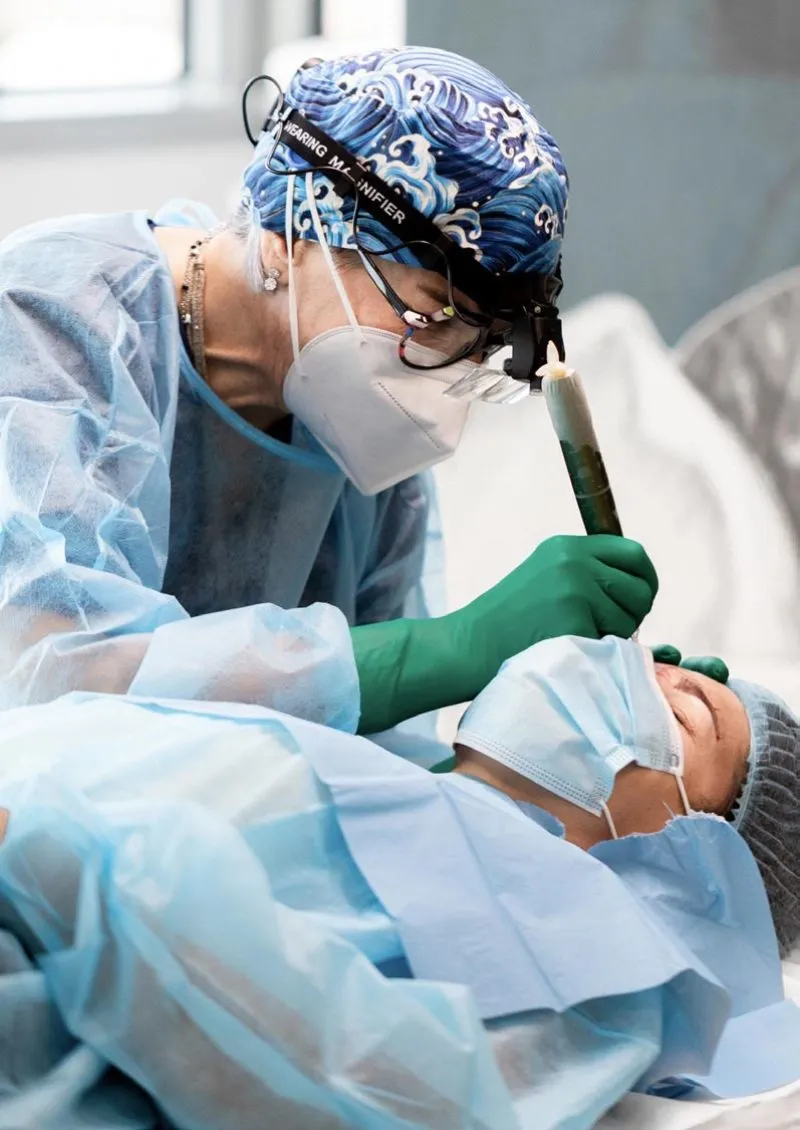
Clinita’s pigments are ideal for scar camouflage treatments and PMU colour correction. Thanks to their smooth texture and pigment stability, they allow even deposit on scarred or previously pigmented skin, supporting successful outcomes across a wide range of correction protocols.
REACH compliant and safety-focused
All Clinita pigments are REACH compliant, gamma-ray sterilised, and manufactured in controlled environments. Each unit is individually packed to meet the highest hygiene and safety standards for professional use in cosmetic tattooing and paramedical procedures.
Designed for full system compatibility
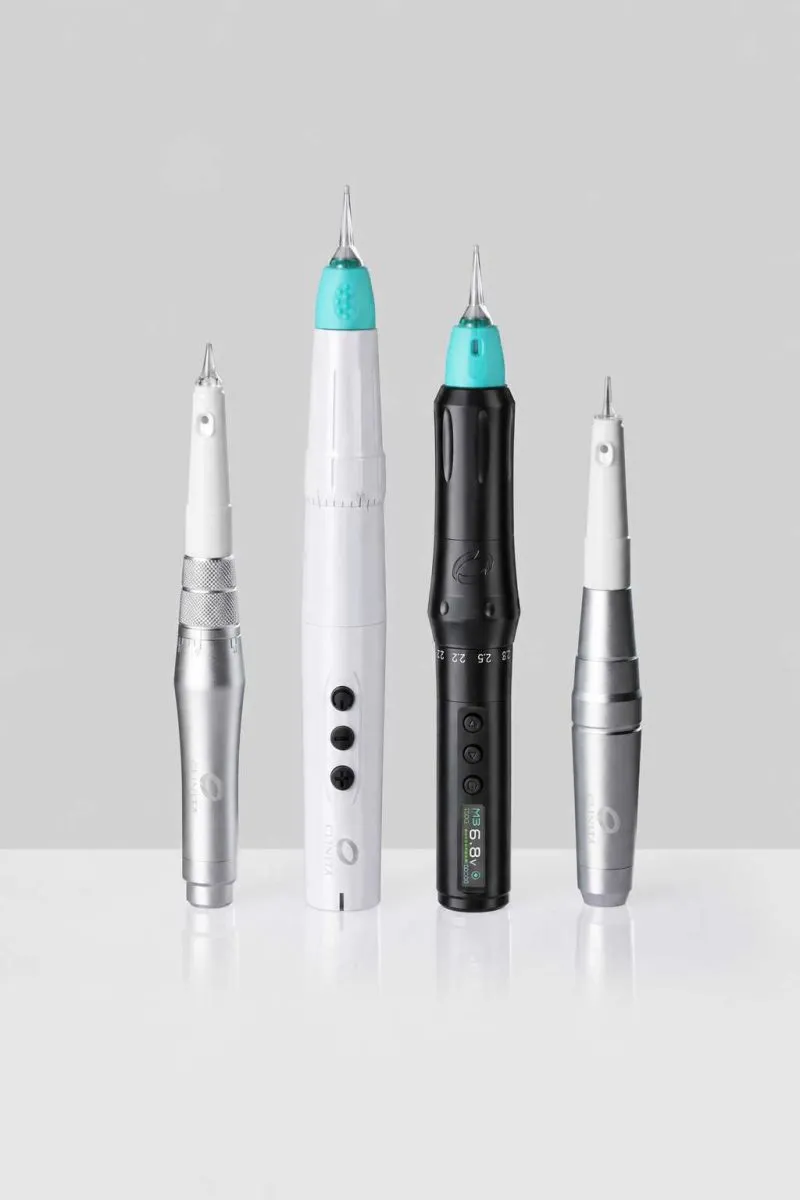
Clinita’s corrective PMU pigments are engineered for optimal performance with PMU machines, microneedling devices, and precision needles. They ensure fluid pigment release, colour accuracy, and ease of application—even in advanced correction and camouflage techniques.
Frequently asked questions
How do corrective pigments neutralise unwanted undertones?
Corrective pigments work on the colour-wheel principle: tones like yellow, orange and beige neutralise the cool shifts (violet, grey, blue) typical of permanent makeup that has lost stability. The Clinita range lets you select the right corrector based on the undertone to counteract, for a result that blends harmoniously with the surrounding skin.
Can Clinita camouflage pigments be used on scars?
Yes. They are formulated for the aesthetic camouflage of scars and to even out discolourations, blending naturally with the surrounding skin tone. Their even application and long-term colour stability make them suitable for treating scar tissue and old tattoos.
What is the difference between a corrective pigment and a standard colour pigment?
A colour pigment is used to perform the treatment itself (eyebrows, lips, eyeliner), while a corrective pigment is used to neutralise or compensate previous work: unwanted undertones, discolourations or shades that need rebalancing. Clinita correctors work in synergy with existing pigments to restore colour balance.